The California Driver's Written Test is more than a hurdle—it’s the gateway to a legally sanctioned license that permits you to navigate the Golden State’s complex roadways. Whether you’re a seasoned hobbyist looking to upgrade your permit or a new applicant aiming to avoid costly mistakes, understanding the test’s structure, content, and pitfalls is essential for a smooth, successful experience.
What Is the California Written Test Exactly?
Administered by the California Department of Motor Vehicles (DMV), the written exam evaluates a driver’s knowledge of traffic laws, road signs, and safe‑driving principles. It consists of 46 multiple‑choice questions, and you must achieve at least 83% (38 correct answers) to pass. The test is offered in multiple languages and can be taken online or in person at any DMV office. Because the exam is computer‑based, your score is determined by the number of correct responses—no time limit, but you must answer within the allocated time for each question set.
Which Topics Will Test You?
California’s Driver Handbook breaks the exam into five core sections:
- Road Signs & Traffic Signals (17 questions) – Recognize and interpret regulatory, warning, and informational signs.
- Traffic Laws & Rules (15 questions) – Understand right‑of‑way, speed limits, and passing regulations.
- Safe Driving Practices (5 questions) – Topics include seat‑belt use, defensive driving, and impaired‑driving scenarios.
- Motorcyclist and Bicycle Laws (3 questions) – Rules that affect non‑motorized road users.
- Other Traffic Situations (6 questions) – Includes driving in adverse weather, parking, and commercial vehicle considerations.
What Common Mistakes Slip Past Even the Savvy Driver?
Even experienced hobbyists can fall into these traps:
- Assuming the “no” or “yes” on a traffic sign is always obvious. Many questions hinge on subtle differences between similar signs.
- Misreading speed‑limit signs when the numbers are small or the background is cluttered.
- Overlooking the importance of “look‑right‑and‑look‑left” in one‑way traffic situations.
- Neglecting the “no left turn” signs that appear in odd locations, such as after a turn‑into‑parking‑lot scenario.
- Treating the exam as a rote memory task instead of a reflection of real‑world judgment.
How Can an Experienced Hobbyist Study Effectively?
Leverage your on‑the‑road experience by focusing on scenario‑based learning:
- Simulate Real Situations – Practice answering questions that mirror moments you’ve encountered, such as “What should you do when a cyclist cuts in front of you?”
- Use Flashcards for Signs – Write the sign on one side and the rule or meaning on the other. Repeating this daily cements recognition.
- Take Practice Tests Weekly – Many DMV practice exams mirror the real test format. Review incorrect answers for deeper insight.
- Study the Handbook’s “Driver Safety” Section – This part emphasizes decision‑making under stress, a skill that translates directly to test performance.
- Discuss with Fellow Drivers – Exchange insights about tricky questions or obscure rules you’ve both encountered on the road.
What Should You Bring On Test Day?
Prepare a simple, stress‑free package to avoid last‑minute delays:
- Valid proof of identity (driver’s license, passport, or birth certificate).
- Proof of residency (utility bill, lease, or bank statement).
- Permit or other DMV documents, if applicable.
- A copy of the DMV’s “Driver Handbook” page numbers for quick reference during the test (if allowed).
- Comfortable clothing and a full tank of water.
Arrive 10–15 minutes early to account for parking and check‑in procedures. The DMV office’s layout and the test room’s lighting can affect concentration; take a moment to stretch and breathe before starting.
What Happens After You Pass?
Once you achieve the required score, the DMV will issue a temporary license. You’ll receive your official California driver’s license within 7–10 days. With the license in hand, you can now explore California’s diverse driving environments—from coastal highways to high‑altitude mountain roads—confidently knowing you’ve mastered the foundational knowledge required by law.
In conclusion, the California Drivers Written Test is a practical assessment designed to confirm your understanding of state laws and safe‑driving practices. By approaching the exam with focused study, realistic scenario preparation, and thorough test‑day organization, even seasoned hobbyists can pass with confidence and avoid the common pitfalls that trip up many test takers. Good luck, and enjoy your renewed freedom on California’s roads.
Sea-Doo Spark Trixx 2026 Scooter Des Mers Récréatif
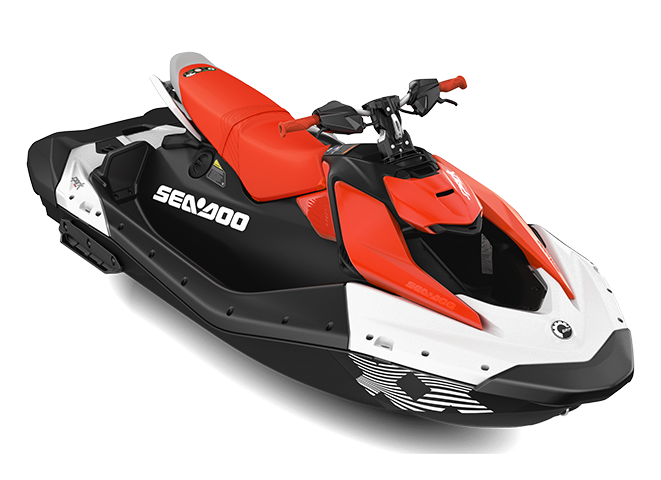
Sea-Doo Spark Trixx 2026 Scooter des mers Récréatif